
If you’ve ever wondered why some websites seem to dominate Google while others barely get noticed, the difference almost always comes down to one thing: SEO.
Over the years of building and studying online businesses, I’ve realised something important: great ideas don’t grow on their own. Visibility does. And visibility online is driven by search engine optimisation.
SEO isn’t just about keywords or rankings. It’s about positioning your business where people are already searching. When done properly, it becomes a steady engine that brings traffic, leads, and long-term growth.
The challenge? Understanding SEO is one thing. Applying it consistently and strategically is another.
Let’s break down why SEO plays such a critical role in business growth, and what it really takes to make it work.
Search Engine Optimisation, or SEO, is like the digital compass guiding potential customers directly to your business in the vast online world. Fundamentally, SEO involves tweaking your website and content so that it ranks high on search engines like Google. This means when folks type related queries, your pages show up, ideally among the top results.
SEO wasn’t always what it is today. It started in the early days of the Internet as a way to help search engines like Yahoo! and AltaVista find and categorise web pages. As algorithms became smarter, simply stuffing keywords wasn’t enough. Modern SEO is about user experience and delivering valuable, relevant content.
👉 You can explore it here and decide if it aligns with your goals.
In today’s digital marketplace, SEO isn’t optional; it’s a cornerstone of business success. With competitors just a click away, a solid SEO strategy ensures that you’re visible and accessible to your target audience. Doing it right means more traffic, and ultimately, more customers.
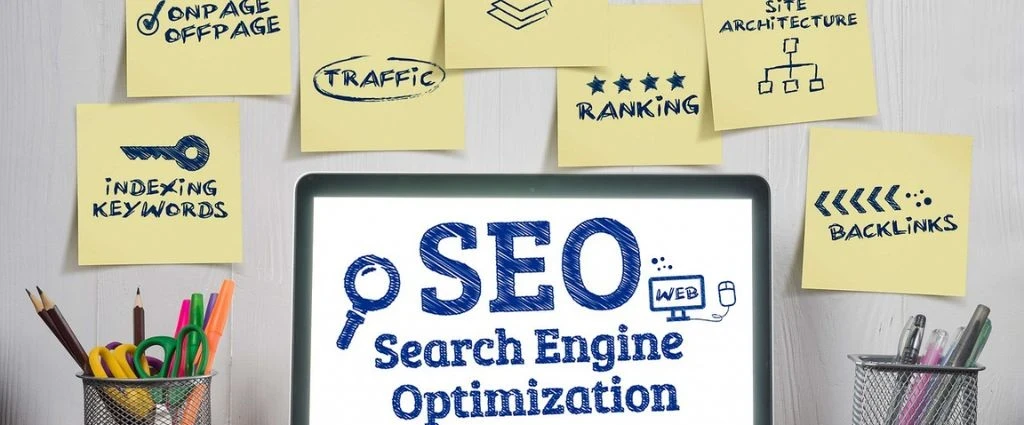
To nail effective SEO, understanding its key elements is crucial. Keywords are still the magic words—they form the bridge between what users search for and what content you provide. There’s on-page SEO, which covers all the stuff you can control on your site, like meta tags and content optimisation. Off-page SEO, on the other hand, deals with external factors like backlinks that influence your site’s credibility. Finally, technical SEO ensures your site structure is sound so search engines can crawl and index it effectively.

Creating content that speaks to people first is the essence of effective SEO. Instead of simply grabbing attention, it’s about fulfilling users’ needs. This means understanding what your audience is searching for and crafting content that responds to these needs in a meaningful way.
At the heart of people-first content is the alignment with user intent. People search for different reasons, some for information, others for solutions, or plain curiosity. When your content meets these varied intents, you naturally pull in more visitors who find value in what you offer.
Balancing readability involves a mix of well-structured, engaging writing and strategic keyword placement. Imagine keywords as guides; they should appear naturally in the flow, without overwhelming the reader or sounding forced. Quality writing should always take the lead.
Numerous brands successfully employ people-first content strategies, building strong connections with their audiences. These brands focus not just on ranking but on making content that’s relatable and relevant. By prioritising value over tricks, they nurture loyal audiences who keep coming back for more.

Grasping the concept of Experience, Expertise, Authoritativeness, and Trust, or E-E-A-T, is crucial for anyone wanting their content to stand out online. In the world of SEO, E-E-A-T is what sets credible, trustworthy brands apart from the rest. It’s about proving to both users and search engines that your business knows its stuff.
Google puts a huge emphasis on E-E-A-T when it comes to rating content. They want to ensure that what users find is insightful, accurate, and comes from a dependable source. It’s not just about climbing the ranks but about earning the trust of your visitors as a credible expert in your field.
To show E-E-A-T in your content, start by highlighting your experience and expertise right out of the gate. This means showcasing achievements, qualifications, and the unique perspectives you bring. Authoritativeness can be boosted by the quality of sites linking back to yours, known as backlinks, from other authoritative sites. Building trust takes time but starts with being transparent, ethical, and consistently delivering what you promise.
Looking at successful case studies can be a real eye-opener. Think of brands that dominate their niche; they often don’t just tell you what they offer but back it up with genuine credentials and a track record of satisfied customers. These brands often invite feedback, adapt based on that feedback, and maintain open communication with their audience.
SEO Tactics that Enhance Your Business Rankings
To make your business pop up when it counts, implementing savvy SEO tactics is key. Integrating solid keyword research with deep customer insights is a start. This isn’t just about finding popular phrases—it’s about understanding what your target audience is actually typing into search bars and using those terms to inform your content strategy.
Another vital tactic revolves around website optimisation for mobile and performance. With so many people browsing on their phones, a site that loads quickly and looks good on mobile devices can boost user satisfaction and, consequently, your rankings. Google rewards sites that provide a seamless mobile experience.
Local SEO strategies make sure that you’re not just tapping into a global audience, but connecting with nearby customers too. Think about optimising your business for local searches by making sure your contact info is up-to-date across the web and encouraging satisfied locals to leave glowing reviews.
Link-building remains a cornerstone for improving domain authority. It’s not about gathering random links but building relevant and quality connections. Collaborate with other credible sites and produce shareable content that others want to link to. This boosts credibility and enhances your overall search engine visibility.
👉 You can explore it here and decide if it aligns with your goals.
Aligning SEO Metrics with Business Growth Goals
Analytics form the backbone of any successful SEO strategy. Understanding the data behind your online presence gives insight into what’s working and what needs adjusting. It’s about translating numbers into an actionable roadmap for growth.
Certain SEO metrics should be on your radar if you’re aiming for business growth. Think of metrics like organic traffic, which reflects how many people are reaching you through search engines, and conversion rates, which show how well you’re turning visitors into customers. Rankings for target keywords also tell you how visible you are in search results.
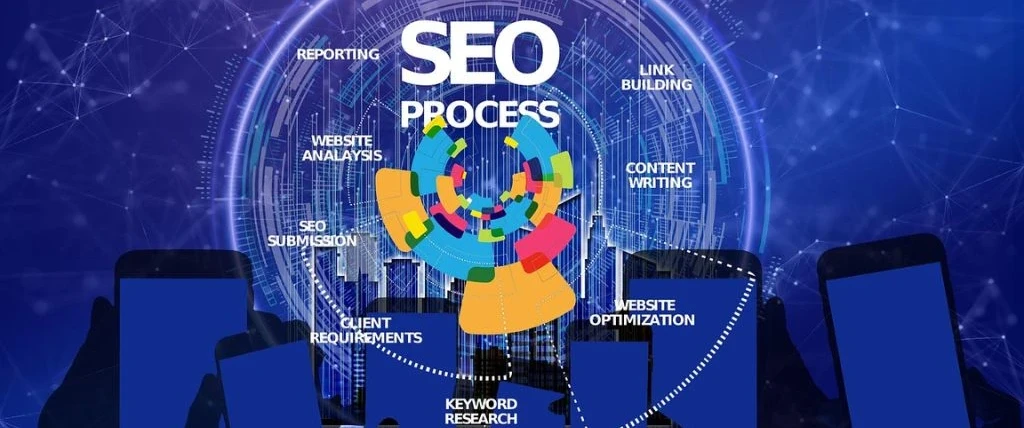
Using data effectively involves leveraging these metrics to shape your marketing strategies. By understanding which keywords lead to the most conversions or how audience demographics engage with your website, you can fine-tune your approach to meet business objectives more efficiently.
There are plenty of tools out there to help measure SEO impact, from Google Analytics to more specialised platforms like SEMrush or Ahrefs. These tools don’t just track metrics but provide a deeper insight into your competitive landscape, helping you maintain an edge.
Aligning SEO efforts with business goals means consistently reviewing these insights and being willing to pivot your strategy. Whether it’s adjusting your content plan or rethinking keyword targets, using data wisely ensures that your SEO efforts directly contribute to growth.
Staying Adaptable: SEO Trends Shaping the Future
As the digital landscape evolves, staying adaptable with your SEO strategy isn’t just smart—it’s necessary. New trends such as voice search, the rise of AI-generated content, and increased personalisation are reshaping how businesses approach visibility online.
Voice search, for instance, is changing the way keywords are used. With an increase in people speaking their queries into devices, optimising for natural, conversational language is more important than ever. This means incorporating longer, more specific keyword phrases—known as “long-tail keywords”—that mimic everyday speech.

AI content is becoming a game-changer in creating quick, scalable content solutions. While AI can speed up content creation, the unique insights and personal touch a human offers still hold value, especially in building authentic connections with your audience.
Technological shifts also bring cultural changes, affecting how consumers interact with content. Adopting an adaptable mindset keeps your strategy aligned with both, ensuring relevance and engagement.
Predictive analysis is a useful tool here, helping anticipate changes in search algorithms and consumer behaviour. This anticipatory approach means being not just reactive, but proactive, adjusting strategies before shifts impact your bottom line.
Harnessing the Power of Integrated Marketing with SEO
Integrating SEO with your broader marketing efforts creates a synergy that amplifies reach and impact. This isn’t just about applying SEO in isolation but weaving it into your overall marketing strategy for cohesive growth.
Social media plays a big role in this integration. While social shares and followers don’t directly boost SEO, they increase your content’s visibility and potential for backlink generation. Clever use of social platforms can spread your message far beyond search traffic.

Content marketing strategies that complement SEO include producing evergreen content—pieces that remain relevant and continue to attract traffic over time. By ensuring this content aligns with both SEO objectives and broader brand messaging, you create a consistent voice that builds trust and authority.
Examining case studies of successful businesses reveals how integrated SEO strategies fuel success. Whether it’s a small startup leveraging local SEO with targeted social media campaigns or larger brands using data-driven insights to guide content creation, the key is aligning all marketing efforts.
Businesses thriving in integrated marketing often have a clear understanding of their audience and maintain flexibility in their strategies. This ability to pivot and refine approaches based on SEO data and market trends ensures sustained growth and relevance.
Why Most Businesses Struggle With SEO
Here’s the reality most people don’t talk about: SEO works — but only when it’s implemented properly and consistently.

Many business owners understand the concepts, but struggle with:
- Choosing the right keywords
- Structuring content strategically
- Staying consistent long enough to see results
- Knowing what to focus on first
Without a clear roadmap, SEO can feel overwhelming. And when something feels overwhelming, progress slows down or stops completely.
That’s where structured guidance makes the difference.
Final Thoughts
Understanding SEO is essential if you want to grow your business online. But knowing what to do and having a clear system to implement it are two different things.
If you’re serious about building an online business and want structured training on SEO, keyword research, content creation, and website building all in one place, I recommend starting with the same platform that helped me connect the dots.
Instead of piecing together random tutorials, you get step-by-step guidance, practical tools, and a community that supports you while you apply what you learn.
👉 You can explore it here and decide if it aligns with your goals.