
Kicking things off, understanding what an ‘online empire’ really means is crucial. This isn’t just about having a sleek website or a bunch of social media profiles. It’s about creating a robust, interconnected presence that influences, reaches, and provides value across digital channels. Think of it as building a digital kingdom where every domain, from your website to your social media, plays a pivotal role in your strategy.

Strategic planning forms the backbone of this entire endeavour. Setting clear, attainable goals is key. Whether it’s boosting sales, increasing brand recognition, or developing a loyal community, having a defined path helps in tailoring your approaches and tools. Without a map, even the best ship can get lost at sea.
Brand identity is like the crown jewel of your online empire. It’s what differentiates you in a crowded marketplace. Your brand is more than logos or slogans; it’s the voice, look, and emotions associated with your business. Make sure it resonates with your audience’s values and desires.
One must also lay the groundwork for engaging communication. Craft messages that tell a story and pull people in, making them eager to be part of your brand’s journey. This establishes you not just as a seller, but as a part of their online lives.
Choosing the Right Website Builder: Your Digital Storefront
Picking the right website builder is like choosing the location for your physical store; it’s got to be easy to find, use, and look great. Think of platforms like WordPress, Shopify, Wix, and Squarespace as your digital real estate options. Each has its strengths, whether it’s customisation, simplicity, or e-commerce capabilities.
When you’re selecting a website builder, features that promote user-friendly designs and easy navigation should be at the top on your list. Look for drag-and-drop interfaces, mobile optimisation, and integration capabilities with other digital tools you plan to use.

Scalability is another biggie. What works for a small enterprise might not hold up as you grow. Check if the platform can accommodate your expansion plans, whether through more extensive plug-ins, additional storage, or better bandwidth.
Customisation is crucial for standing out. Ensure your chosen platform allows you to personalise your digital storefront so it aligns perfectly with your brand identity. From fonts and colours to advanced widgets, it should let your brand’s personality shine through.
Support and security cannot be overlooked either. Ensure your chosen builder offers robust customer support and has measures in place to protect data both for your business and your customers.
Social media isn’t just for funny cat videos or snapping your brunch; it’s a powerhouse for any online empire. Picking the right platforms can set you up for success, and it’s all about knowing where your audience hangs out the most.
Whether it’s Facebook, Instagram, or LinkedIn, each platform offers unique ways to connect with your crowd. Facebook is great for community building, Instagram shines with visuals, and LinkedIn is perfect for B2B interactions.

Crafting content that speaks to your audience is crucial. Authenticity counts for a lot, so make sure your posts reflect your brand’s true voice. Mix it up with videos, stories, and posts that resonate, educate, or entertain.
Engagement is more than posting regularly. It’s about creating conversations. Respond to comments, join discussions, and show you’re not just there to sell but to connect with your audience.
Social listening is another tool in your kit. Pay attention to what’s being said about your brand, competitors, and trends. This can guide your strategy and help tweak your content to better fit your audience’s needs.
Keep an eye on analytics too. Understanding what works and what doesn’t will steer your future efforts. Social platforms offer built-in analytics tools that are super handy in measuring engagement and reach.
Harnessing the Power of SEO: Drive Organic Traffic to Your Site
SEO might seem like a puzzle, but it’s key to unlocking organic traffic and visibility. It breaks down into on-page and off-page strategies. On-page SEO revolves around things you can control directly on your website, like optimising content with relevant keywords and ensuring your HTML tags are spot on.
Keyword research is your best friend here. Tools like Google Keyword Planner or Ahrefs can help identify what your audience is searching for. Use these insights to create content that addresses their needs and queries.
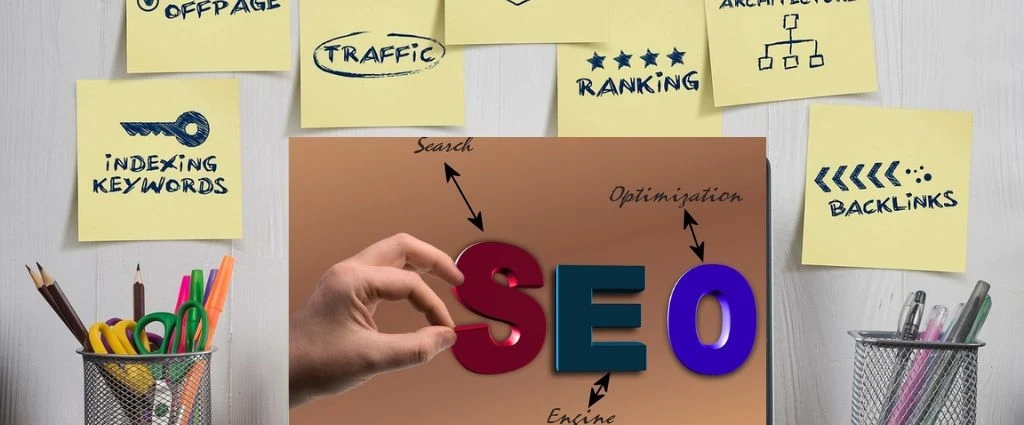
On-page tweaks aren’t the only game in town. Off-page SEO involves actions taken outside your website to impact rankings within search engine results pages. Building high-quality backlinks from reputable sites signals trust and authority.
Don’t forget about local SEO, especially if you’re targeting regional markets. Claiming your Google My Business listing and optimising it can significantly boost your local search visibility.
SEO tools make life easier, so consider leveraging platforms like SEMrush or Moz to track your progress. They provide valuable insights into your website traffic, keyword rankings, and competitor analysis.
A major part of staying on top of SEO is keeping up with algorithm updates and industry trends. This ensures you can continually adapt strategies to maintain or improve your search engine standings.
Email Marketing Platforms: Cultivating and Nurturing Customer Relationships
Email marketing isn’t just about blasting out promotions; it’s about building those all-important customer relationships. Platforms like Mailchimp, SendinBlue, and ConvertKit are your go-to tools for crafting efficient and personalised email campaigns.
Crafting the right subject line can’t be overlooked. It’s often the make-or-break factor for opening rates, so go for something catchy yet relevant to spark interest from the get-go.

Content is king when it comes to emails. Engage with your audience by delivering value, whether it’s through tips, updates, or exclusive offers. Offering something extra enhances reader loyalty and engagement.
Personalisation can significantly boost your email success. Addressing your readers by their first names or tailoring content based on their past interactions makes your audience sit up and listen.
Segmenting your email list is crucial for targeting the right people with the right message. Group your contacts based on behaviour, demographics, or preferences to ensure more relevant communication.
Monitor analytics like open rates, click-throughs, and conversions. Most email platforms offer these insights, enabling you to tweak strategies and improve outcomes over time.
Automated emails can be a lifesaver, nurturing leads while you focus on other parts of your business. Set up sequences for welcomes, follow-ups, and special occasions to keep your audience engaged without constant manual effort.
E-commerce Solutions: Streamlining Sales and Operations
E-commerce platforms are like the engines of your online store, powering everything from the browsing experience to the checkout process. Whether you’re just starting or scaling up, choosing the right one can make or break your operations.

Popular options like Shopify, WooCommerce, and BigCommerce provide a range of tools tailored to different business sizes and needs. Evaluate what aligns best with your requirements in terms of usability, features, and budget.
A seamless checkout process is vital to boost conversion rates. Implementing secure payment gateways ensures customers can shop with confidence. Consider options like PayPal, Stripe, or direct bank transfers to accommodate various preferences.
Automation tools can streamline operations significantly. From order processing to inventory management, automating repetitive tasks frees up your time to focus on growth strategies.
Customer service enhancements, like live chat or virtual assistants, can elevate the shopping experience, fostering higher satisfaction and repeat business.
Don’t forget about mobile optimisation, which is crucial as more consumers shop via their phones. An e-commerce platform that offers a smooth mobile experience will keep you ahead of the curve.
Analysing sales data helps refine your strategies and improve performance. Make use of dashboards and reports that offer insights into customer behaviour and sales trends, guiding future decisions.
Analytics and Insights: Measuring Success and Making Informed Decisions
Data isn’t just numbers; it’s the pulse of your online empire. Understanding how to collect and interpret it gives you the power to make strategic choices that drive growth and adaptation.
Platforms like Google Analytics, SEMrush, and Hotjar are invaluable for gathering insights into your audience’s behaviour and preferences. Each offers different perspectives, from traffic sources and visitor paths to heatmaps and user feedback.

Tracking key performance indicators (KPIs) is crucial. Metrics such as conversion rates, bounce rates, and average order value provide a window into what’s working and what needs attention. Regularly reviewing these figures helps to spot trends and areas for improvement.
Understanding your audience demographics is also essential. Knowing who visits your site, when they visit, and what they do there can guide content and product development to better meet their needs.
Analysing competitors’ performance offers a broader market view. Observing what works for others in your field can inspire and highlight gaps in your own strategy.
Remember, data should guide but not dictate. Use it as a tool to inform your decisions, keeping in mind the overall vision and goals of your online empire. Regularly update your strategies based on the latest insights to remain agile and ahead of the curve.
If you’re serious about turning your website into a real income stream — not just a hobby — I recommend starting with the exact platform I use. It gives you step-by-step training, tools, AI support, and a community that actually helps you move forward instead of staying stuck.
 Click here to see how it works and decide if it’s right for you.