


Affiliate marketing, in simple terms, is about promoting products or services and earning a commission for sales made through your referral. Imagine you rave to a friend about your favourite sneakers, they buy them, and you get a little thank-you cash in return; that’s affiliate marketing. Traditionally, having a website meant you had your own little corner of the internet to share this passion.
Websites have been the go-to platform for many affiliate marketers. They offer a way to present content, showcase expertise, and build trust with readers. Think of it like hosting a party at your own house; everything is organised, and you’re in control. But times are changing. With social media, YouTube, and other platforms booming, the question arises: Do you really need a website to get started?
Sure, websites can centralise your content, giving visitors a consistent place to find your recommendations. They offer great SEO opportunities, helping you get noticed by search engines. But let’s not forget alternatives. Social media channels, blogs on third-party platforms, or even a popular YouTube channel can also be powerful avenues for promoting your affiliate links.
Sometimes, having a website is super useful if you’re looking to build a comprehensive brand or create long-form content that’s hard to manage elsewhere. If you aim to establish authority and create a dedicated audience, a website might be your best bet. But if you’re just dipping your toes to see how affiliate marketing fits you, exploring other platforms isn’t just savvy; it might be downright perfect.
 If you’re just starting, I recommend reading my full affiliate marketing beginner’s guide here

Why Many Beginners Think a Website Is Required
Affiliate marketing is often associated with blogs and niche websites because many successful marketers use them to promote products and publish helpful content.
Websites allow affiliate marketers to write reviews, guides, and tutorials that attract visitors through search engines like Google or platforms like Pinterest.
Because of this, beginners sometimes assume a website is mandatory. In reality, it is simply one of the most effective tools, not the only option, depending on how soon you’d like to generate a passive income online.
Why Many Affiliate Marketers Eventually Build a Website
Although it is possible to start affiliate marketing without a website, many experienced marketers eventually create one.
A website offers several advantages.
- First, it allows you to publish helpful content that answers questions people search for online.
- Second, websites give you full control over your content rather than relying on social media algorithms.
- Third, articles can continue bringing traffic for months or even years after they are published.
Because of these benefits, websites are often considered one of the most reliable ways to build long-term affiliate income.

The Best Approach for Beginners
For beginners, the most important step is learning how affiliate marketing works and choosing a strategy they feel comfortable with.
Some people start by sharing recommendations on social media. Others prefer writing helpful articles on a website from the beginning.
Both approaches can work, but consistency and useful content are what ultimately drive results and create a steady income online.
The key is to focus on helping people solve problems and recommending products that genuinely add value.

Advantages of a Website in Affiliate Marketing
A website can be your digital home base, offering a consistent identity and vibe that tells the world you’re serious. When visitors land on your site and find loads of good info, it screams credibility. You’re not just another shady internet persona; you’re the real deal.
With a website, you’ve got this golden chance to play the SEO game. Yeah, search engine optimisation can be your secret weapon to boost discoverability. Picture your content popping up when someone’s asking Google about those sweet headphones you’re promoting. Organic traffic, baby—nothing beats it.
Having all your stuff in one place is just plain convenient. A website lets you organise content and affiliate links, turning it into a resource centre. Visitors know they can always return for solid advice and fresh recommendations. It’s like building a community that’s always ready to hear what’s new.
Websites allow you to provide consistent branding. Consistency builds a loyal audience that includes people who trust your style and advice, making them more likely to click those affiliate links. Plus, you can use your site to connect all your other online activities, creating a neat little ecosystem where your followers can click from your blog to your Instagram to your email sign-up. It’s like connecting all the dots in your affiliate marketing puzzle!
Starting Your Affiliate Marketing Journey Without a Website
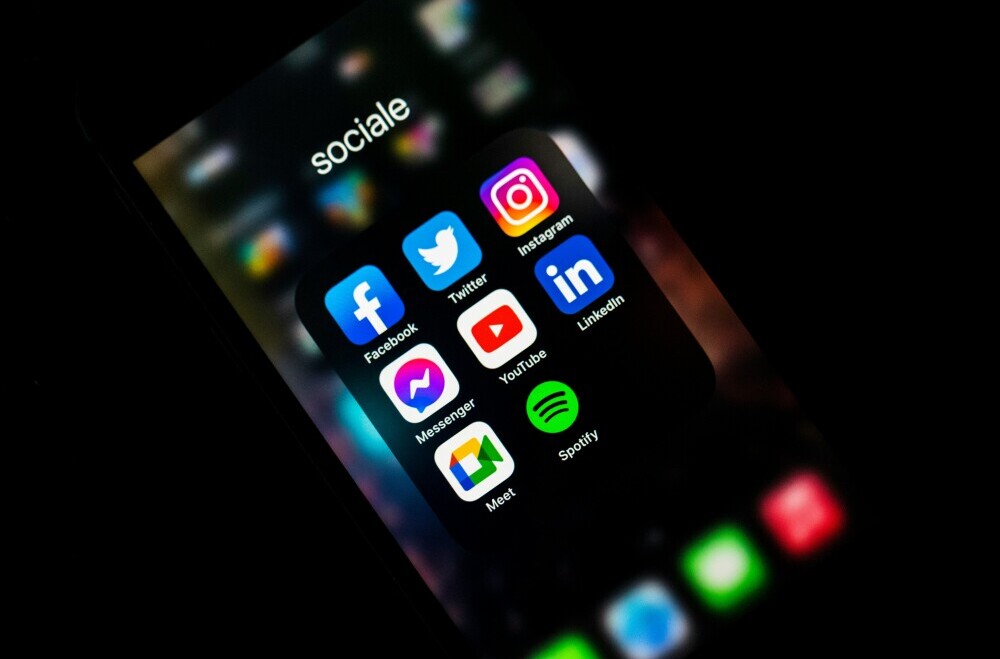
Social media platforms are a goldmine for marketing without a website. Platforms like Instagram, Facebook, and TikTok have millions hooked daily. These channels let you share affiliate links directly with your followers or in catchy stories and posts. With the right strategy, you can attract attention and earn commissions straight from your feed.
YouTube is another hotspot for affiliate marketing, minus a website. Video content is king these days, and it’s easy to see why. Creative reviews, unboxings, or tutorials can showcase products in action. Plus, you can drop affiliate links in the video description, guiding viewers to purchase after they’ve watched your engaging content.
Email marketing offers a personalised touch. Create subscriber lists from existing contacts or followers. By sharing recommendations directly to inboxes, you’re fostering a one-on-one connection. Offering exclusive content or deals keeps your subscribers opening those emails, clicking the links, and, hopefully, buying the products you love.
And here’s a little inspiration—success doesn’t hinge on owning a website. Many affiliate marketers thrive using only social media, video platforms, or email marketing. Their secret? Delivering genuine and valuable content. People connect with authenticity, so keep it real, share your experiences, and the sales will follow.
Final Thoughts
You do not necessarily need a website to start affiliate marketing, but websites provide powerful advantages for building long-term online income.
Many beginners begin experimenting with affiliate marketing using social media or video platforms, then later build websites to expand their reach and attract consistent traffic.
Whichever path you choose, the most important factor is continuing to learn, create helpful content, and stay consistent while building your affiliate marketing skills.
If you’re serious about building something that grows month after month instead of chasing quick wins, I recommend starting with proper training and building your own online asset.
 This guide focuses on a full beginner breakdown of Affiliate Marketing and the steps you need to take.

Start Your Affiliate Marketing Journey
If you’re new to affiliate marketing, these guides will help you take the next step:•
. How to Start Affiliate Marketing
• How to Learn Affiliate Marketing for Free
• Can I Make Money With Affiliate Marketing