

Passive income is money you make with little to no daily effort, and real estate can be a powerful way to achieve it. It’s an income that’s not tied to your nine-to-five, and who wouldn’t want that? With the right strategy, real estate can provide a steady cash flow, freeing up your time and enhancing your financial security.
Real estate remains a favourite among passive income seekers for several reasons. It often appreciates over time, meaning not only could you earn from rental income, but your property’s worth might increase too. Plus, rental income can provide a monthly stream of cash while you focus on other ventures or enjoy your leisure time.

Think of rental properties, REITs, and Airbnb rentals; each offers a unique way to generate passive income. Whether you own a single-family home you rent out or dive into the world of apartment buildings, real estate offers options that suit different levels of investment and risk tolerance. By wisely picking the avenue that aligns with your financial goals and lifestyle, real estate income might just be within your reach.
Finding the Right Real Estate Investment
Picking the right property is all about understanding the market and choosing your location wisely. Imagine buying in a neighbourhood where the development is on the rise, but prices are still reasonable—those are gems. To spot these opportunities, dive into local real estate reports and keep an eye on trends. Actively looking at vacancy rates, future development projects, and even school districts can give you a major edge.
The type of property you choose matters, too. Residential properties, like single-family homes and condos, are great for beginners, offering stability and fewer hassles. On the other hand, commercial properties might require more know-how but can yield higher profits and longer leases. If you’re adventurous, vacation rentals like an Airbnb can offer high returns, especially in tourist-heavy spots.

Due diligence is your safety net. This means meticulously checking out potential properties, reviewing local regulations, and exploring every last detail of the deal. You’re not just buying a property, you’re investing. Keeping informed about zoning laws, property history, and any legal hiccups can save you a lot of grief down the road.
There are no guarantees, but by being strategic and informed, your real estate investment can be more than just a source of passive income.
Financial Planning and Structuring Your Investments
Budgeting and financing form the backbone of your real estate venture. The first step is knowing what you can afford and sticking to it. It’s easy to get carried away, but setting a firm budget helps keep things on track. Banks and financial institutions offer numerous options, from traditional mortgages to private loans. It’s worth shopping around and comparing terms to get the best deal.
Taxes can either be a benefit or a burden, depending on how you plan. Understanding the tax implications of your investments can maximise your returns. Interest deductions, depreciation, and other real estate-specific tax breaks can significantly impact your bottom line. Consulting with a tax advisor with real estate experience is often a smart move to ensure you’re not missing out on potential savings.

Setting up a business entity, like an LLC, to hold your real estate can protect your personal assets from potential legal issues that might arise. It adds a layer of security, separating your personal finances from your investments. This setup also sometimes offers tax advantages, streamlining the management of your properties.
By carefully considering your financial plan and investment structure, you’ll set a solid foundation for growing your real estate portfolio. Building wealth with real estate isn’t just about the property; it’s also about smart money management.
Managing Properties for Maximum Returns
The decision between hiring a property manager and managing the property yourself hinges on your lifestyle and expertise. Property managers can take the daily hustle off your plate, handling tenant issues, maintenance, and rent collection for a fee. If you prefer hands-on management and have the time, self-managing might save you money but requires dealing with every small detail yourself.
Enhancing your property’s value often means knowing where to invest in renovations. Simple upgrades like modern appliances or a fresh coat of paint can significantly boost appeal. Major renovations, if done wisely, can increase rental income and property value. Always weigh the cost of improvements against the potential increase in rent and property value.

Technology is your ally in property management. There are countless apps and platforms for listing properties, handling maintenance requests, and tracking finances. Using these tools can save time and reduce the likelihood of errors in managing your properties.
Effective property management isn’t just about collecting rent; it’s about creating a welcoming environment for tenants and maintaining the property’s value. Balancing these elements can lead to long-term success in your real estate investment journey.
Moving Beyond Traditional Real Estate Investment
Real Estate Investment Trusts (REITs) offer a path for those looking to diversify without getting into day-to-day property management. By investing in a REIT, you can access a portfolio of properties with the convenience of dealing in stocks. They provide dividends and can be part of a well-rounded investment strategy for those who want a piece of the real estate pie without owning individual properties.
Crowdfunding is another exciting avenue. It allows smaller investors to pool their resources into larger real estate projects, something that was once reserved for big players. Through platforms hosting these opportunities, you can join a community of like-minded individuals and potentially reap significant returns with comparatively lower risk.

Embracing new models like co-living or vacation rental businesses can broaden your passive income potential. Co-living spaces cater to a growing demand for affordable housing in urban areas, and they offer higher returns than traditional rentals. Similarly, vacation rentals in strategic tourist spots can outperform long-term rental income.
Exploring these alternative avenues not only diversifies your portfolio but can protect against market fluctuations. By staying informed and adaptable, you position yourself to capitalise on emerging trends and opportunities in the real estate market. Each new model is a step towards building a flexible and resilient investment portfolio.
Building a Scalable Online Platform to Multiply Your Real Estate Passive Income
One thing I’ve noticed over the years is that the most successful real estate investors don’t rely on properties alone. They build systems around their investments, and one of the most powerful systems you can add today is an online platform.

Real estate is already an excellent vehicle for passive income, but when you combine it with digital marketing skills, you’re no longer limited by location, time, or even the number of properties you own. You’re building leverage.
Why Smart Real Estate Investors Build an Online Presence
An online platform gives you options. Instead of waiting for opportunities to come to you, you can actively attract them.
With the right content and positioning, your website or online brand can help you:
- Attract qualified buyers and tenants
- Connect with private lenders and joint venture partners
- Build credibility and trust before a single conversation happens
- Create additional income streams through education, referrals, or digital products
In other words, your online presence works in the background, just like passive income should.
How Digital Marketing Skills Increase Deal Flow
Understanding basic digital marketing puts you in control. Skills like SEO, content creation, and audience building allow you to:

- Rank for local and niche real estate searches
- Educate potential investors before they ever contact you
- Position yourself as a knowledgeable authority instead of “just another investor”
The best part? These skills are reusable. Once you learn them, you can apply them to any property, market, or investment model you choose to pursue.
Using AI to Save Time and Scale Faster
This is where things get even more interesting.
AI tools now make it possible to create high-quality content in a fraction of the time. Instead of spending hours writing or planning, you can use AI to:
- Draft blog posts and market updates
- Create compelling property descriptions
- Generate investor emails and landing pages
- Analyse trends and clarify messaging
For real estate investors, this means less busy work and more focus on high-level decisions that actually move the needle.
Why Visual Content Matters (and How to Do It Easily)
Images matter a lot. Whether you’re promoting a property, sharing market insights, or building your personal brand, strong visuals instantly improve trust and engagement.
With modern image tools, you can:
- Create professional-looking property graphics
- Design blog and social media visuals without hiring designers
- Present deals more clearly and confidently
- Stand out in crowded real estate markets
When your content looks polished and professional, people take you more seriously, even before they read a word.
Learning Faster Inside the Right Community
Here’s the truth: trying to figure all of this out on your own can be overwhelming.
That’s why being part of a structured learning platform and community makes such a difference. Instead of guessing, you get:

- Step-by-step training on building online assets
- Tools that combine AI, image creation, and website building in one place
- A community of entrepreneurs focused on long-term income, not shortcuts
- Support and feedback when you need it
This is exactly why many people exploring passive income, including real estate investors, take a serious look at the Wealthy Affiliate Community.
A Smart Next Step (Without Pressure)
If you’re already thinking long-term about passive income, then improving your marketing and online skills just makes sense. Wealthy Affiliate offers free access to explore their platform, tools, training, AI features, and image studio before committing to anything.
Communities:
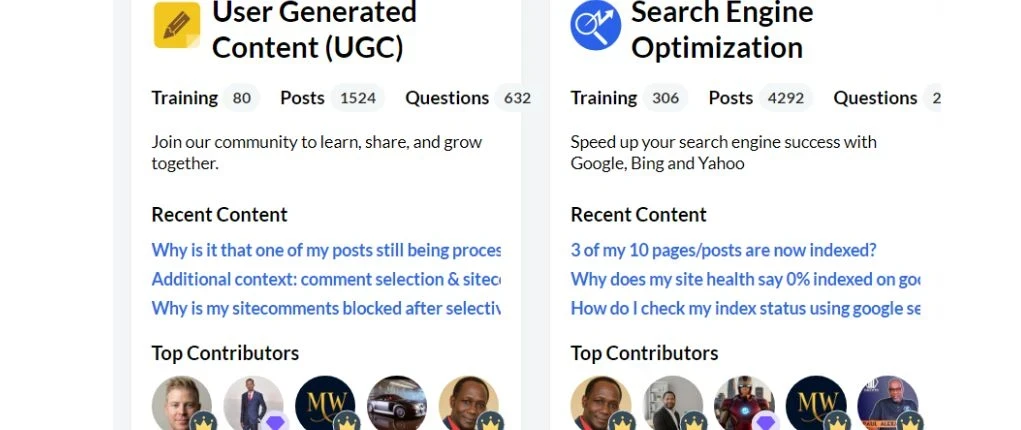
There’s no obligation, just a chance to see if:
- The training fits your learning style
- The tools can save you time
- The community aligns with your goals
If you aim to increase leverage, build authority, and create smarter systems around your real estate investments, it’s definitely worth taking a look.
Sometimes the biggest breakthroughs don’t come from buying another property; they come from learning the skills that help everything else grow faster.