


Affiliate marketing is like a treasure trove for those looking to make money online. There’s this thrill about promoting other people’s products, earning commissions out of it, and doing all this without the hassle of managing inventory or worrying about customer service. But hey, it’s not always rainbows and butterflies. A lot of folks jump into affiliate marketing with stars in their eyes and end up crashing because they miss the nitty-gritty it requires.
Many fail even before tasting success because they skip the first, very essential phase of building their foundation. It’s like constructing a building on quicksand and hoping it’d stand tall. So, why does this happen so often?
Well, most kick off with a truckload of enthusiasm, but the minute results don’t come knocking on their door, they throw in the towel. The truth is that succeeding in affiliate marketing demands patience, consistency, and a solid strategy. You can’t just sprint through the beginning and expect to reach the finish line first. You’ve got to know your audience, understand their needs, and then create content that resonates deeply.
What’s really exciting about this is that it transforms how you approach affiliate marketing. By sticking to the fundamentals in ‘Phase One’, you can shift the gears of failure to a road of sustainable growth. Tracking your progress, honing your strategies, and not giving up when things don’t go your way is half the war won.
This article is gonna shed some light on why sticking around in ‘Phase One’ can completely turn your marketing game around. Whether you’re just getting started or floating somewhere discouraged, this is your guide to having an affiliate game plan that actually works.
If you’re completely new and want a simple step-by-step starting point, I’ve put together a beginner-friendly guide you can follow here.


Phase one is like setting up the base camp if you’re planning a big mountain climb. It’s where you map out your journey, gather resources, and make sure you’re ready for the heights ahead. In the world of affiliate marketing, phase one is all about laying that rock-solid foundation.
The groundwork starts with crafting valuable content. Content isn’t just words on a page—it’s your voice, your first way to connect with your audience. It’s about offering real solutions to their problems using your expertise. This involves stepping into their shoes and addressing what they’re looking for.
Next up, keyword targeting is your best friend. It’s like a treasure map guiding folks to your content. Keywords help search engines understand what you’re about, and when done right, they bridge the gap between random clicks and meaningful engagement. It’s essential to use phrases that potential visitors actually type into their search bars.
Driving traffic is also key. You can’t just write and hope people magically land on your site. Using social media channels, SEO tactics, and maybe even paid ads can help. But remember, at the core, it’s about getting the right folks to notice you—those who find your content truly beneficial.
Understanding your audience might be last on this list, but it’s definitely not least. Knowing who you’re talking to guides every bit of your strategy. What are their pain points? What solutions can you offer them? This stage is all about connection, ensuring that your content speaks directly to the needs of those who’ve found you.
This phase might seem basic—and to some, it might even feel like a slog. But diving deep into these fundamentals gives you a comprehension that many miss. Trust me, this isn’t just ticking boxes—it’s about gearing up for long-term success, setting up a strategy that’s effective and sustainable.

Why Most People Leave Phase One Too Early
It’s not uncommon for affiliate marketers to jump in with blazing enthusiasm only to fizzle out not long after. The allure of fast money often seduces newbies into expecting immediate results, thinking they’ll strike gold overnight. However, when those expectations fail to align with reality, the exit door begins to look awfully tempting.
Starting with a bang is great—everyone does it. It’s easy to build and launch content when energy levels are high and the excitement of forging something new fuels you. But it’s following through during that inevitable lull where things usually start to unravel.
Consistency is a challenge. When rapid progress doesn’t materialise, doubts creep in. Frustration kicks in, and before you know it, many abandon their posts and call it quits. The truth is, building success takes time–often much longer than we’d like. Seeing the payoff can take weeks, months, or even longer. But patience during this phase is not just a virtue, it’s an outright requirement.
This phase one dropout epidemic stems from a very human struggle with delayed gratification. Real-talking here, it’s tough to stay the course when results are a distant promise. The trick? Resist the temptation to gauge success purely on immediate outcomes. Instead, invest in laying down the path, trusting in the process itself.
Staying committed during this phase can lead to valuable insights and help refine the approach. Each stumble and triumph along the way sharpens skills and builds resilience. Those who push past the initial humps are the ones who eventually greet success with open arms.

Affiliate marketing isn’t just about slapping up a few links and watching the commissions roll in. There’s a process here that’s akin to crafting a fine dish—you need the right ingredients, time, and a ton of patience. The hidden truth is that real success often lies in the smaller, easily overlooked tasks.
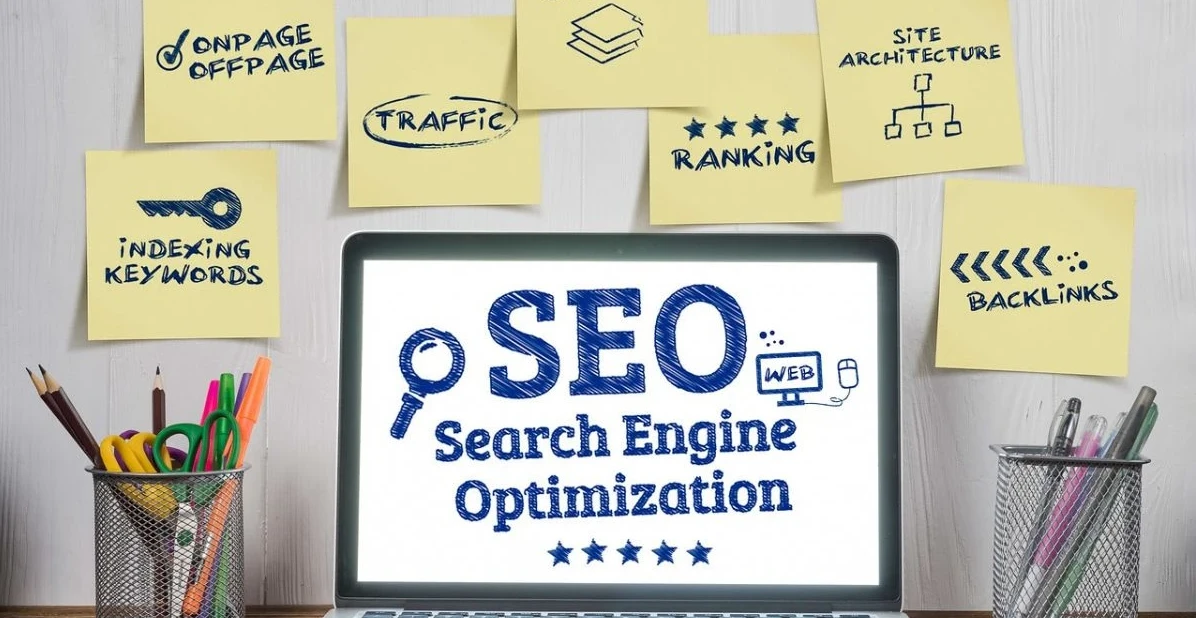
Getting a high rank on search engines is pivotal. It’s the silent powerhouse that can propel your content to reach a broader audience. This involves not just good content, but crafted content. Keywords alone won’t cut it. You’ve got to target them strategically within rich, relevant topics that people are already eager to explore.
Beyond the typical search engines, there’s Pinterest, a bit of a secret weapon in the marketing world. It’s more than just a repository of lifestyle boards—it can drive substantial website traffic if you play your pins right. You create visually appealing, strategically keyworded pins that link back to your blog or site. Over time, this can carve out a virtual path of consistent traffic flowing your way.
Building trust with your audience is equally crucial. Without trust, even the best products won’t sell. It’s about more than just doling out engaging content—it’s letting your authenticity shine through. People need to know who you are and feel assured that your recommendations are legitimate. This is why crafting a personal brand within your content and interaction is vital.
The secret sauce here is persistence and authenticity. As much as tactics matter, building an honest relationship with your audience keeps them coming back, eager for your recommendations. That kind of relationship can’t be fabricated; it’s one that’s thoughtfully developed over time.
If you feel like you’ve been stuck in this stage for a while, you’re not alone. Most people stay here because they’re trying to figure everything out on their own.
If you want a clearer path forward, start here:
What Actually Works (But Nobody Wants to Hear)
Consistency in publishing content is a game-changer, and I know it sounds like a cliche, but turning out quality content every week can make all the difference. Think of it as training for a marathon. You can’t just run a few days and expect to finish the race strong. Your audience deserves to see you delivering value regularly, and search engines love that consistency too.
Doubling down on Pinterest can seem tedious, but creating multiple pins per post is a powerful strategy for driving traffic. Each pin is another opportunity for an audience member to find you, so it’s wise to design different styles to appeal to various viewers. Pinterest rewards variety and consistency in pinning.
Tracking what gets clicks and what doesn’t is essential. Some folks shy away from analytics, but it’s your best insight into what your audience loves. Use tools to see which posts are resonating and where your clicks are coming from. This data is golden. It tells you exactly where to put your energy. Improve what you’ve got instead of feeling like you need to restart every time something doesn’t work.
Once you see something working, resist the urge to start fresh. The magic isn’t in constantly reinventing the wheel, but in taking what you have and making it shine even brighter. It’s about iterations and improvements. So what if a post didn’t perform well the first time? Revamp it, re-optimise it, and give it another go.
The Power of Doubling Down
When you find something that works, it’s tempting to chase after shiny new tactics, but doubling down on what clicks for you is where the real magic happens. Understanding which of your posts is drawing in traffic is essential. It’s like striking gold—you want to know where to keep digging.
Start by figuring out which pieces of content are getting the most eyeballs. Use your analytics tools to see the stars of your lineup. These are the pages people find valuable, so think about how you can expand or create similar content that rides those same waves of interest.
Tracking which Pinterest pins are engaging viewers holds a treasure trove of insights, too. Maybe it’s the style or the call to action that’s resonating. Dissect what’s working and replicate those elements in new pins. Sometimes a slight tweak in the design or wording can make a pin go from meh to marvellous.
Pay attention to which topics are hitting home with your audience. It’s like they’re giving you a roadmap—follow it. Dive deeper into those subjects and build an arsenal of content that satisfies their curiosity and needs. By focusing on proven interests, you’re tailoring your strategy to exactly what your audience craves.
Doubling down doesn’t mean resting on your laurels, though. It’s an active process of refining and expanding on what’s already showing promise. It’s a continuous loop of create, analyse, and perfect. Trust in the process, and remember that being strategic and intentional with your efforts will pay dividends in the long run.
“If you want to see the platform I personally use to follow this system…”

A Simple Phase One Strategy
Starting with a clear-cut strategy can take a lot of guesswork out of the equation. Picking one niche is crucial. Narrowing down helps you tailor your content and understand your audience intimately. It’s not about being a jack of all trades but a master of one.
Once you’ve locked in your niche, focus on creating 2-3 keyword-focused posts per week. Quality matters here; each piece should provide value and relevance to your audience. It’s less about quantity and more about offering actionable insights or entertainment that listeners can’t resist.
When it comes to Pinterest, designing 3-5 strategically different pins per post is the ticket. Each one is like a new opportunity stack which expands your reach. Diversifying the styles and the messaging targets different audience segments with their unique tastes.
Consistency beats quick wins every time. Plan to stick with this rhythm for 60-90 days. Commitment to this timeline can be the bridge between initial effort and visible results. Remember, this isn’t just a routine; it’s about building momentum and gaining traction. If you want to understand the full picture of why most people fail, you can read this here:
Analysing and refining strategy rather than starting over is key to gaining traction. Use analytics to see what’s working and where there’s room for improvement. Often, minor tweaks lead to big wins. Whether it’s altering a headline or a call to action, every refinement propels you closer to your goals.

Final Thoughts on Turning Affiliate Failure into Success
Affiliate marketing offers a world of possibilities, but tapping into its potential requires a mindful approach. Sticking around in phase one and really nailing down the fundamentals is where true growth starts. It’s less about a sudden breakthrough and more about a steady commitment to building your foundation steadily.
Being deliberate with each step in your journey matters—whether it’s persistently publishing content, optimising your keyword game, or engaging naturally through platforms like Pinterest. These elements aren’t isolated tasks but integral pieces of the puzzle that work best in unison.
Embrace the learning process, and don’t rush to restart at the first sign of struggle. Improvements and refinements breed resilience and fortify your entire strategy. Learn to read the digital landscape as you go, adjust when needed, and before you know it, those initial challenges seem less daunting.
Success in affiliate marketing is not some distant dream for a chosen few. It’s a tangible outcome for those ready to dig in and plant their roots deeply during phase one. So, gear up, keep your eyes on the prize, and remember: persistence paired with the right strategy is your gateway to success.
You don’t need more information. You need a clear path you can follow.
That’s what helped me move forward, and it’s what I recommend if you’re ready to take this seriously.
Everything is laid out step by step, so you’re not left guessing what to do next.